We may be very close to the day when robots will do all our hard work. Robots will (if they haven’t already) clean our clothes, cook our foods, look after our young babies, teach in schools, provide security, drive our cars, fly the airplanes, etc. That means we will have more time to enjoy life but that also means we will have more interactions with a robot than we will have with a fellow human being. And in some cases, like elderlies, disabled or sick people, robots may be the sole companions in their lives.

One of the types of robots is social robots. They are autonomous robots that can interact with human beings and display some level of awareness to the social rule. Social robotics is a very interesting field in human factors and human computer interaction and people are already doing a lot of amazing work on designing better functioning social robots, defining the social rules for them and also pushing the boundary of what robots can do.
Robots have been helping humans in industries for a long time and they are best known for precision, speed and working for long hours. In industries robots work in isolation and humans usually do not interact with them. The robots have a fixed path, and have a defined area around them where people do not enter. This may be important for safety of humans in industries but when robots are brought into houses, schools and hospitals we can no longer accept hazard from a moving limb or a sharp metal sticking out of its leg. Safety should be the first concern. This means robots have to be designed to be reliable, safer and concerned with the safety of humans and other animals to become social robots.
Second concern should be how well the robot interacts with humans. Human beings are very emotional beings and we tend to make a lot of decisions based on our emotions. The animals that display emotions, like dogs, are our closest friends in the animal kingdom, surprisingly the monkeys that almost look like us are nowhere near. The robots should be able to understand natural language and display emotions on human understandable form.

Picture: Emoticons, minimalistic way of expressing emotions
But we have to be wary of the uncanny valley. There is a sudden dip in likability of robots when robots exhibit emotions that are very close but not exact to humans’. This is why a lot of social robotics designers refrain from designing a humanoid robot.
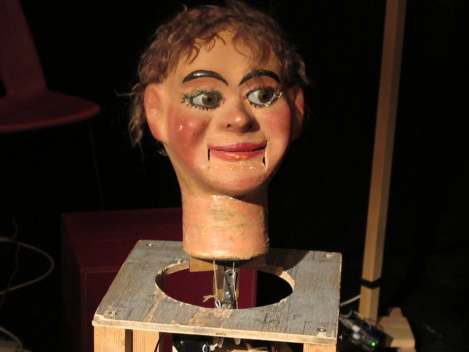
Picture: A creepy looking human looking robot
As human factors engineers we have a big opportunity to come up with a breakthrough in the ways we interact with a social robots. A lot of robots have already been introduced in hospitals, classrooms, and houses and more are yet to be designed.


Picture: Social robots interacting with users in different scenarios
As robots become common places in our lives people will start forming emotional bonds with them. When they respond to our emotions and form memory of us how will we treat them, will we be sad when they forget us, how would we feel when we update their firmware and their behavior changes, would we want to stick with our old robots even if there is a newer version on the market, robots are virtually immortal will it be ethical to euthanize them. All these questions will be asked once humans and robots start becoming friends and we will be on the front line to answer these questions.
 milan101
Leave a reply to Ryan Cancel reply