We can find solutions to lots of problems by turning towards nature. Millions of species have survived through time and evolved with change in environment to thrive and continue in nature. Nature has been perfecting its system since the formation of life billions of years ago and it knows all the chemical, structural and physical formula to develop sustainable systems.
Bio mimicry is the design of system and processes based on the biological systems and processes. For this project I chose to mimic lotus leaves’ ability to repel water from their surface.
Lotus leaves’ ability to repel water has generated interest since ages. Beads of water running down the leaves is nothing less than magical.
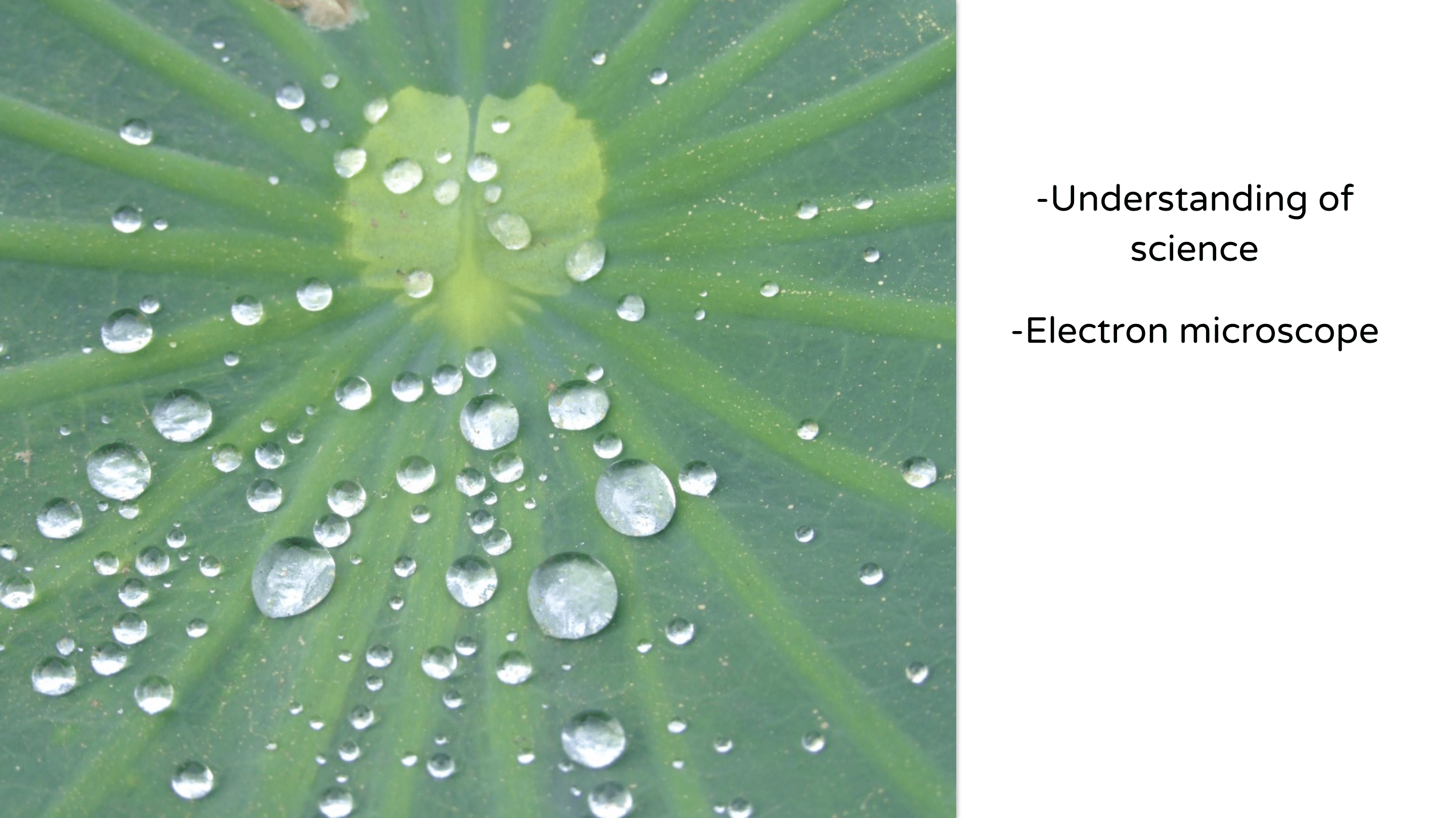
When we began understanding surface tension and other fluid properties, and when we invented electron microscope we could finally look at the leaves closely to find out how lotus leaves actually work.
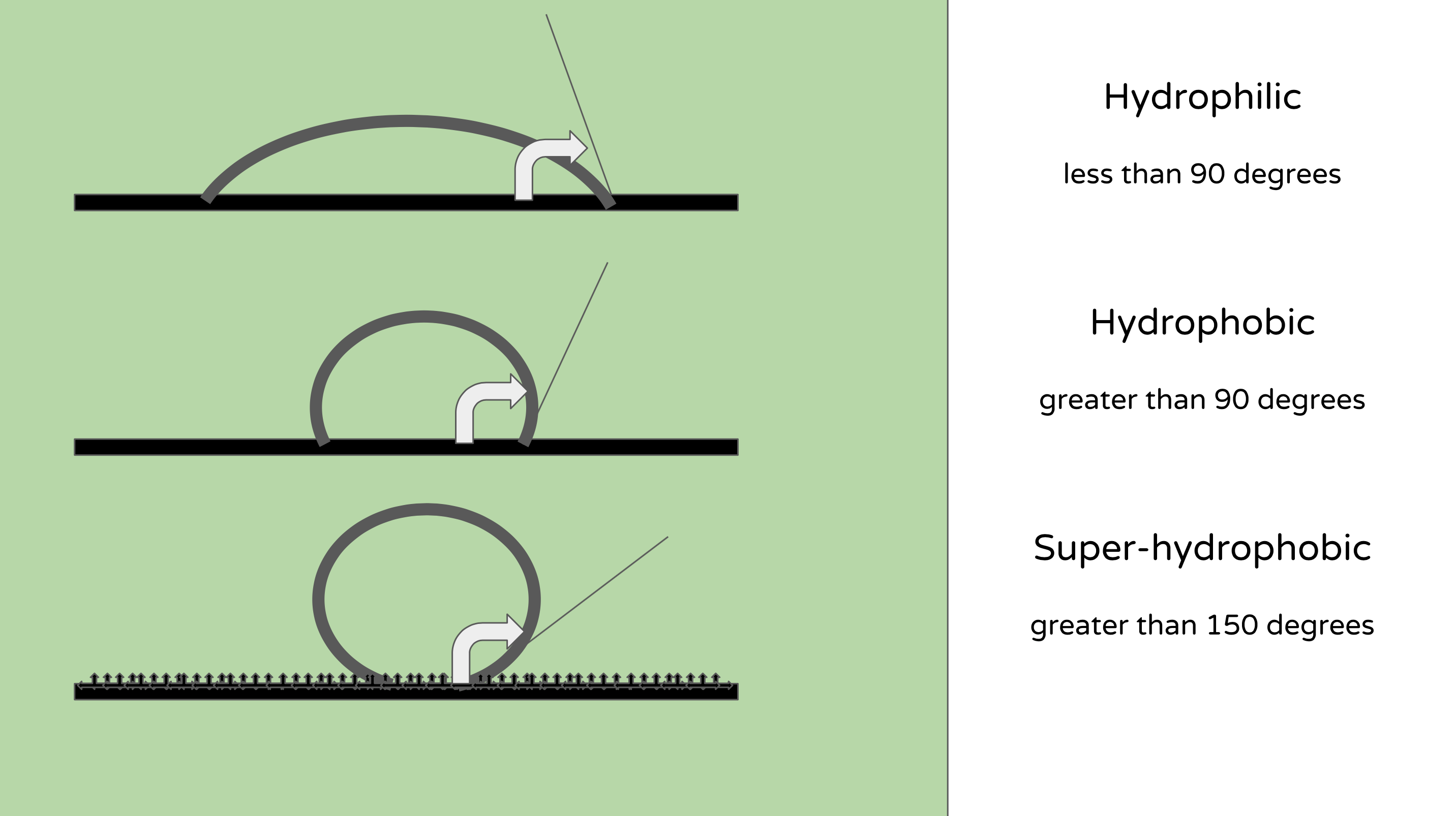
The effect comes from the microscopic structures that are like bumps where water droplets stay and try to become become as spherical as they can because of surface tension.

Because of the spherical shape of droplets the droplets will roll off the surface of leaves. The surface is then called super hydrophobic because of its inability to retain water on its surface.
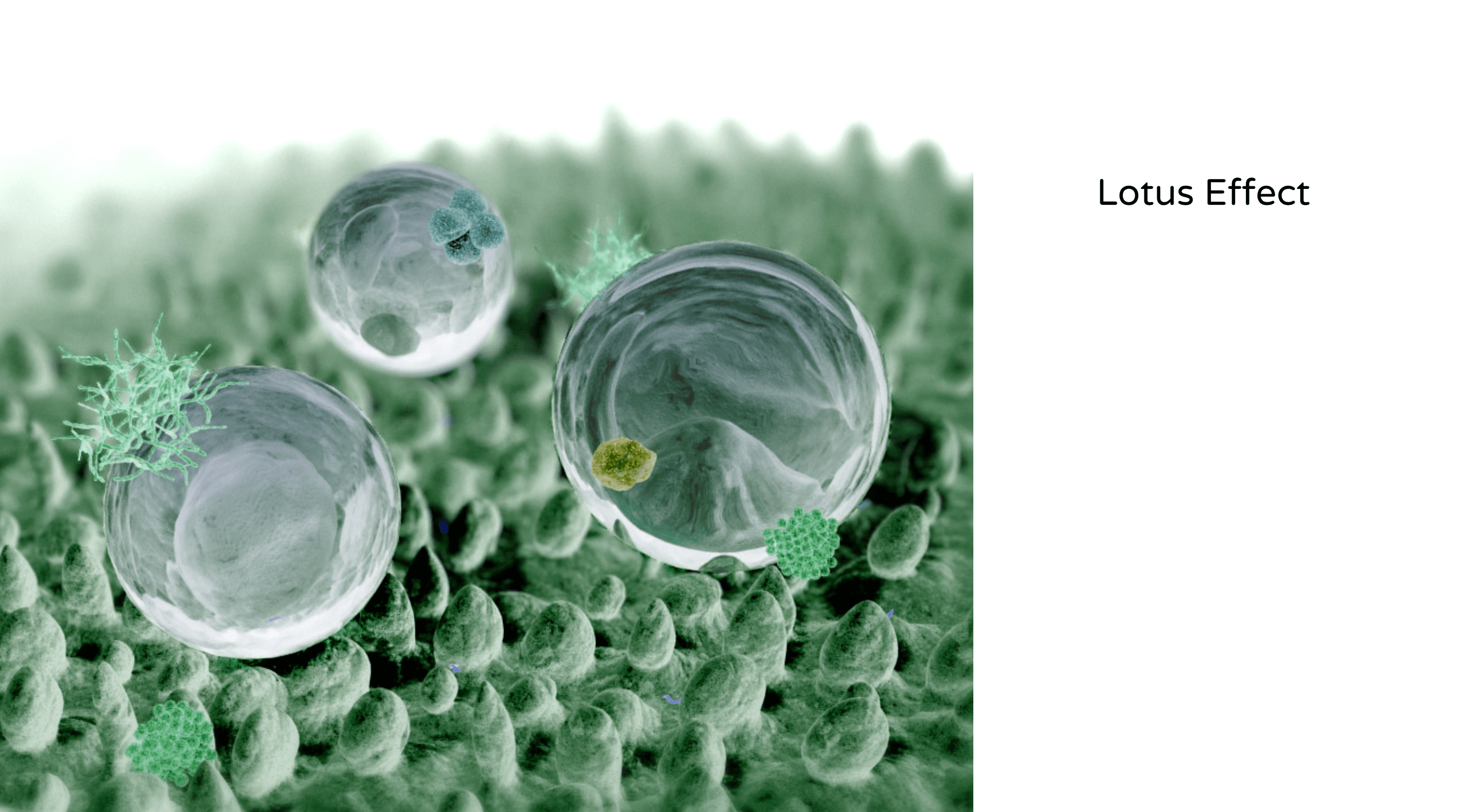
This property of helps lotus leaves to clean dirt from its surface. When rain or dew droplets fall on lotus leaves they roll off the surface carrying dirt particles along with them.
We can use this property of microscopic bumps on surfaces to clean different surfaces. If we can design a car with lotus leaf like surface then we can imagine installing a mister in garage that can clean our car every night with very little amount of water.


We can also imagine covering entire buildings with this material so that buildings clean themselves after every drizzle.

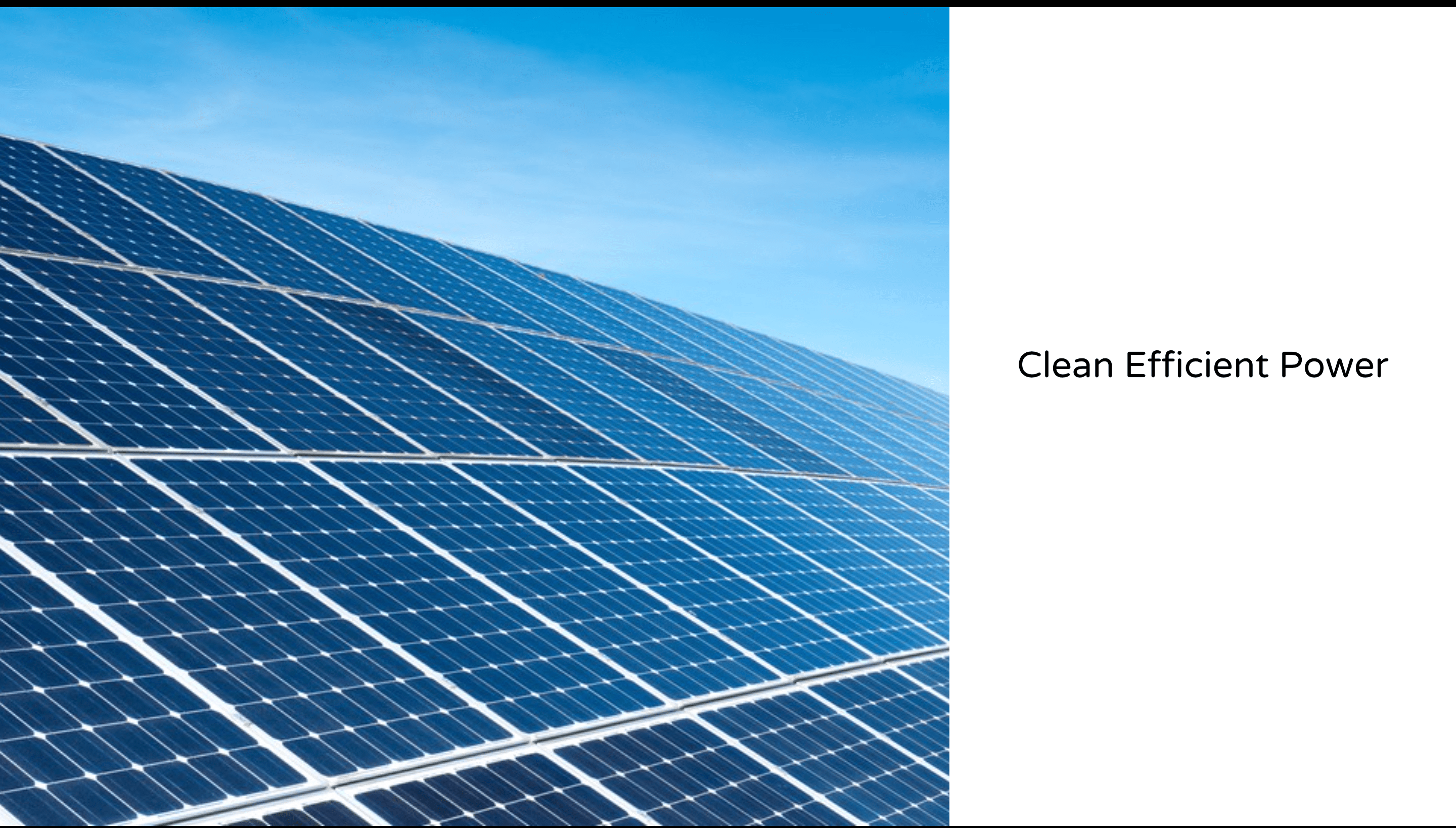
I think the biggest application of this material will be on solar industries. Solar panels are laid out in desert in thousands of numbers to harvest solar energy.

And they get dirty all the time. Even a slight breeze can cover the panels with sand or dirt.
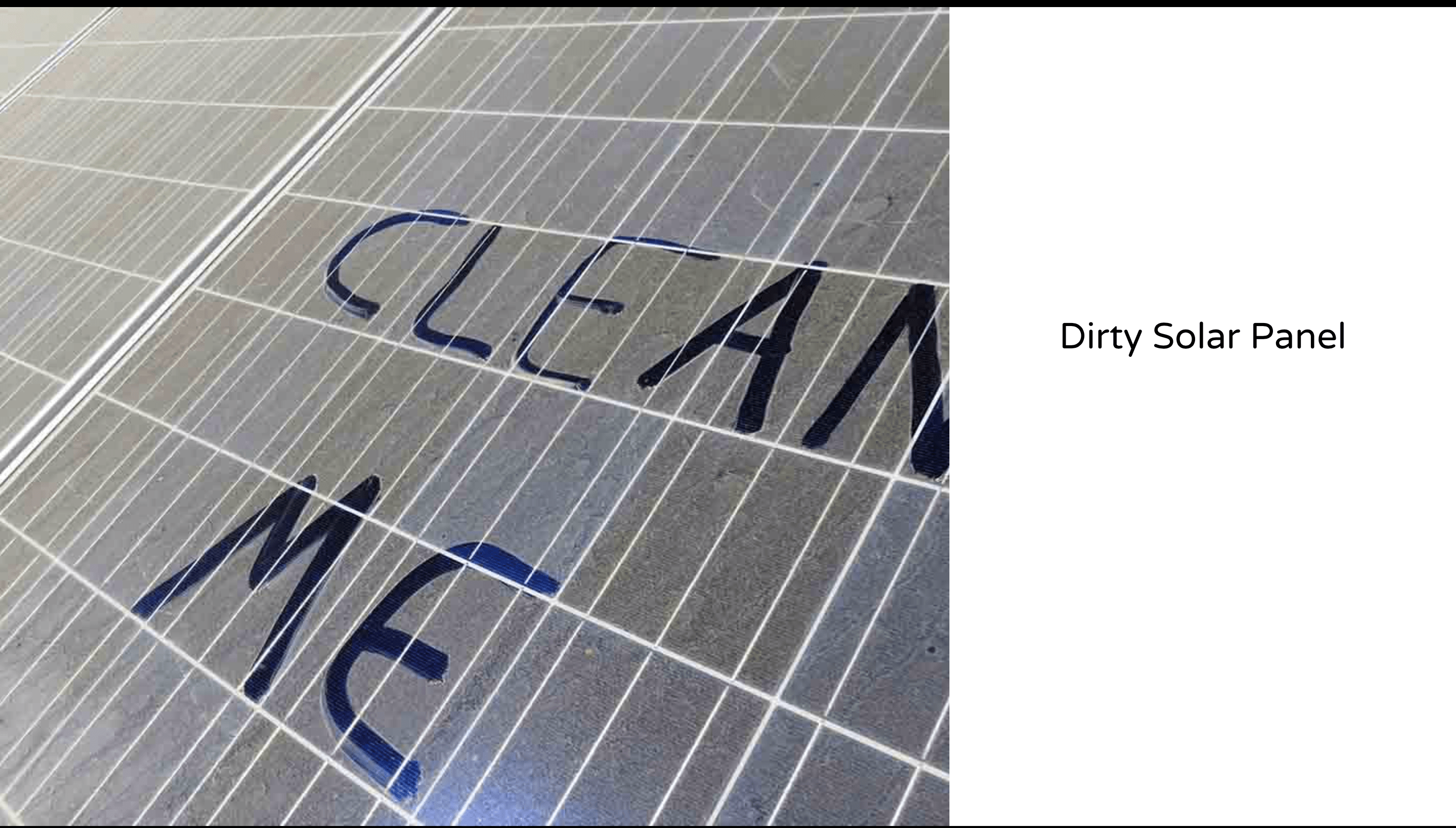
There have been many studies to show that dirts can block irradiance on panel and reduce power generation by 18% and maximum current by around 7 % to 16 %.

The current method of cleaning the panels is tedious and inefficient. There can be thousands of panels in one farm and they are usually built on deserts. So water is premium in such farms.

If we can design a super hydrophobic glass then cleaning will become easy as shown below. The rolling droplets of water will clean the dirt with them.

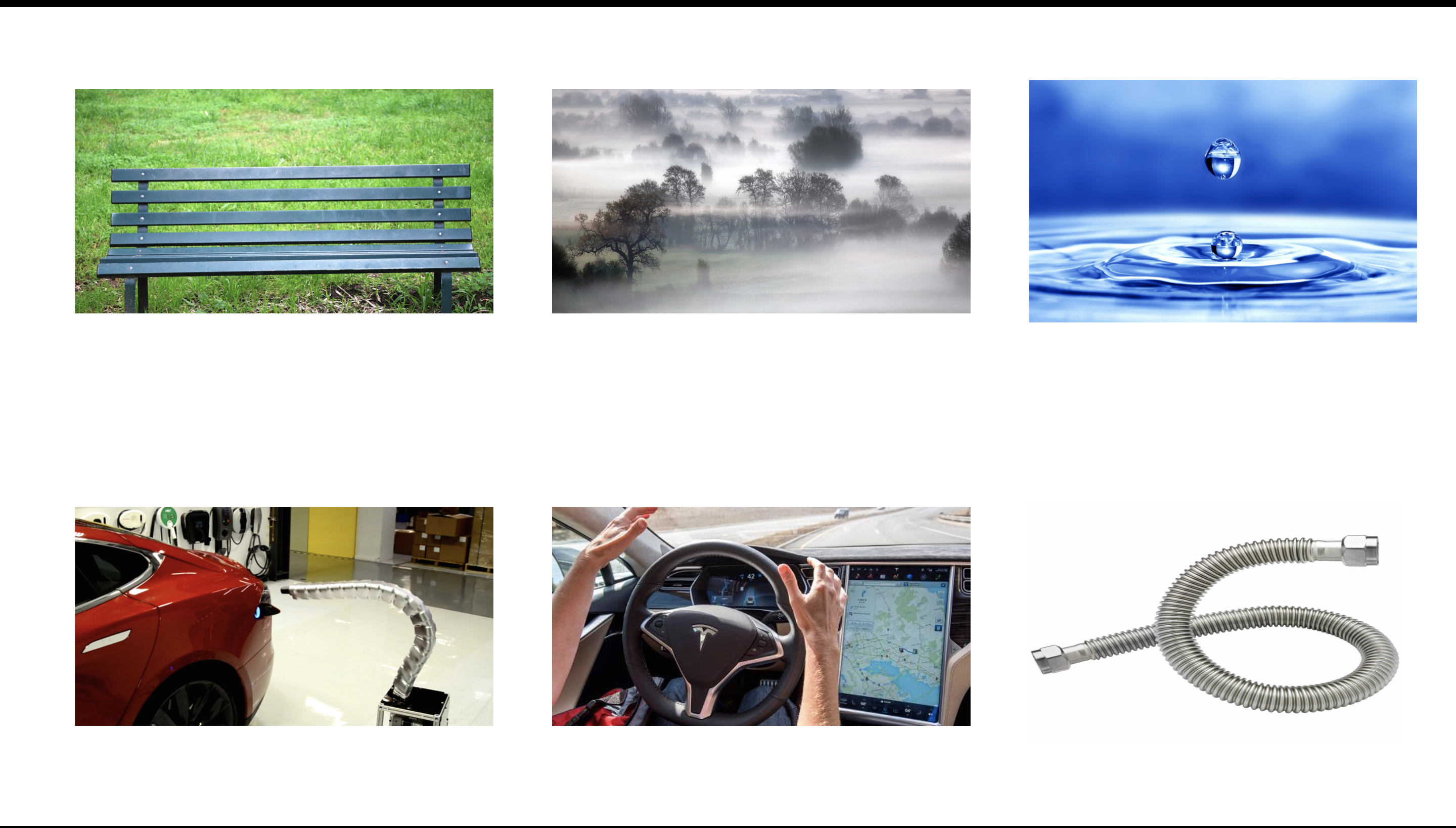
To design my product I am using mood board below. It has to be independent, reliable and long lasting. It should be automatic to make use of mist and water to clean the surface.
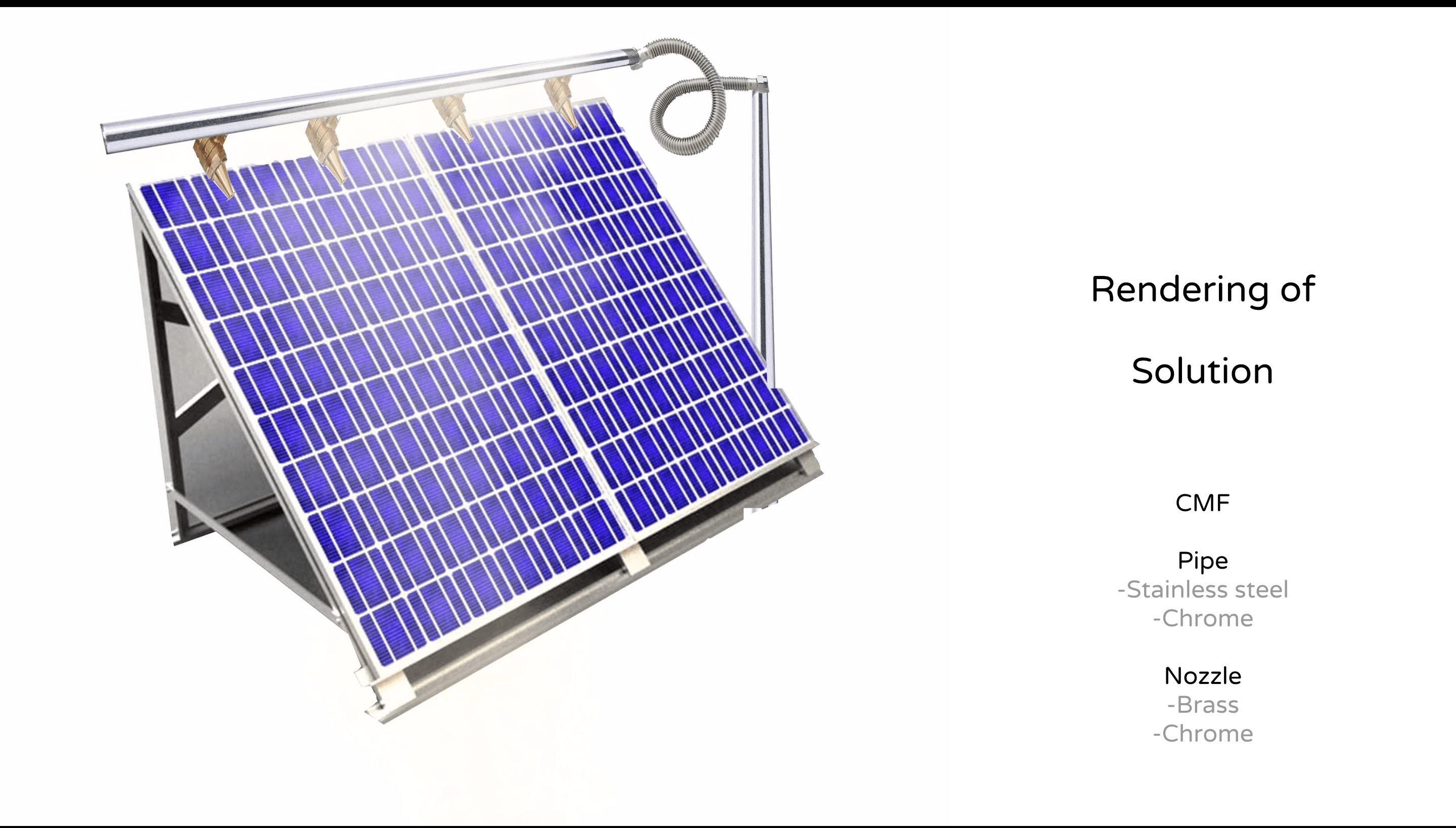
Here is a rendering of my product. The glass is super hydrophobic. The sprayers on top spray fine mist of water every morning to clean off the dirt. The water is carried from a storage tank buried underground. The water rolling off of the panel is collected, filtered and deposited on the storage tank for reuse. The pump uses small amount of energy from the solar panel so it is almost a standalone system.
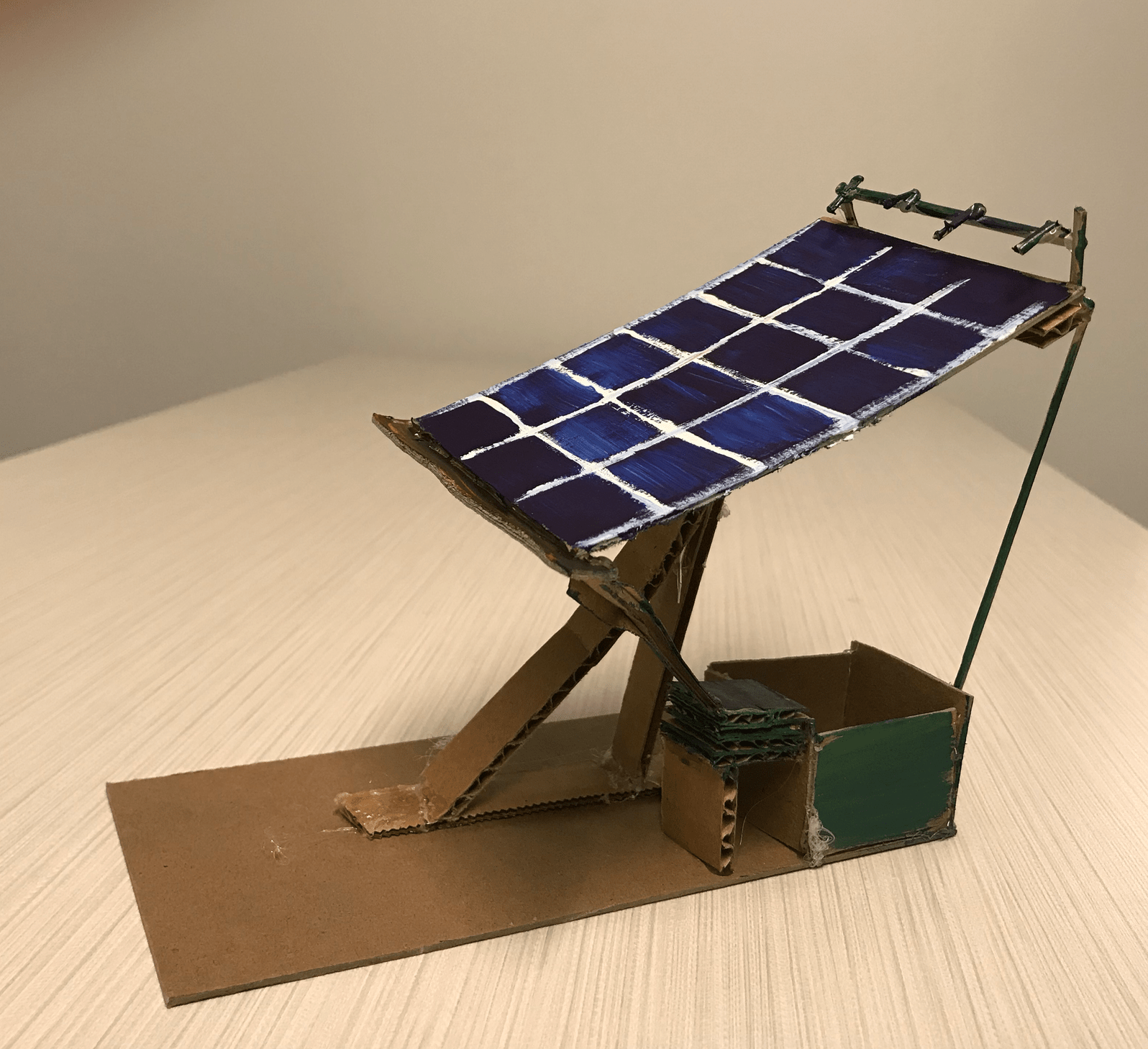
Below is the cardboard prototype of my design.
The result is clean efficient power.
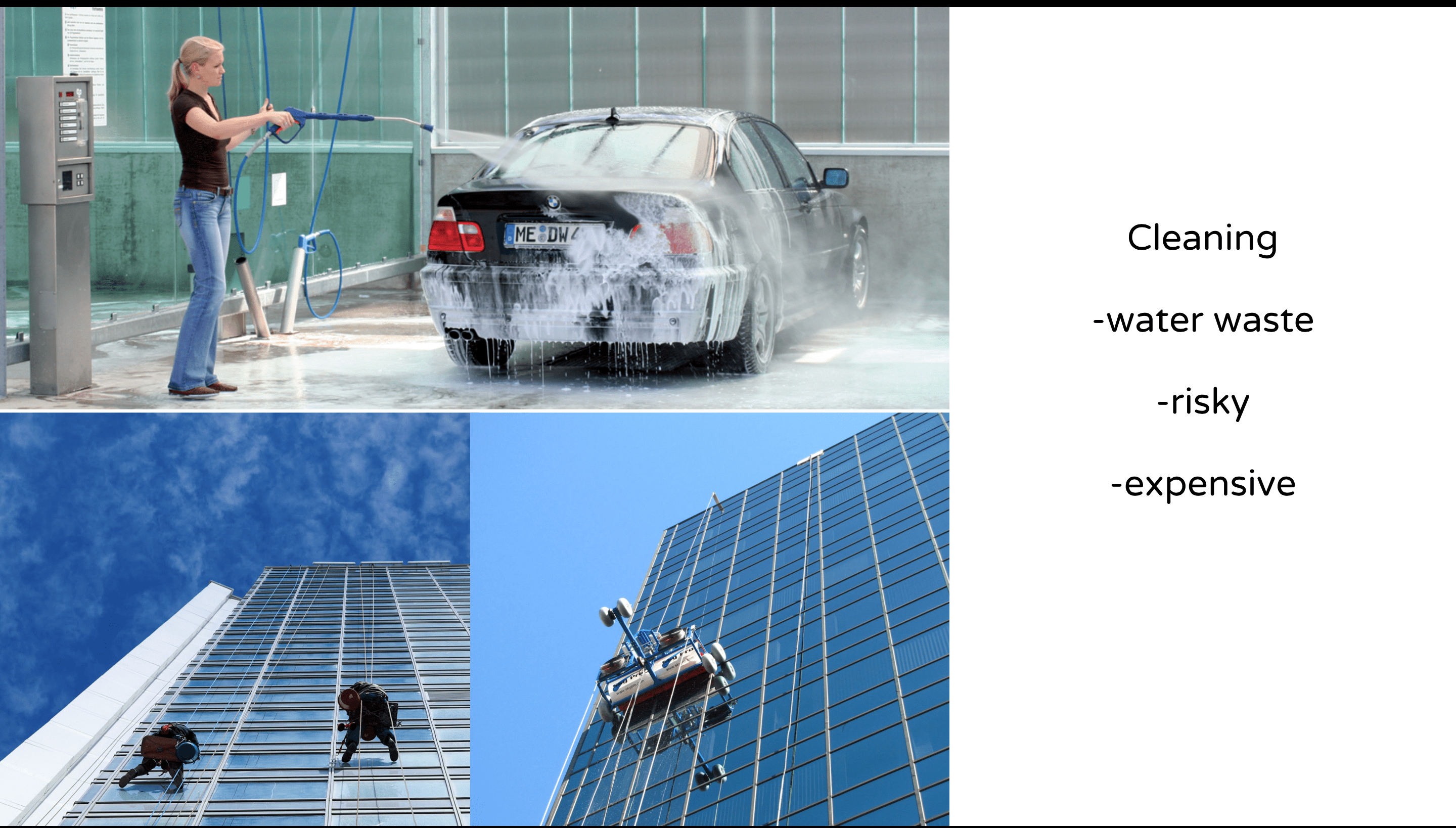
I think superhydrophobic glasses will have many uses. Like I mentioned before they can be used in skyscrapers, cars, windows, etc. Cleaning is expensive and uses too much water. Cleaning tall buildings is super risky and expensive too.
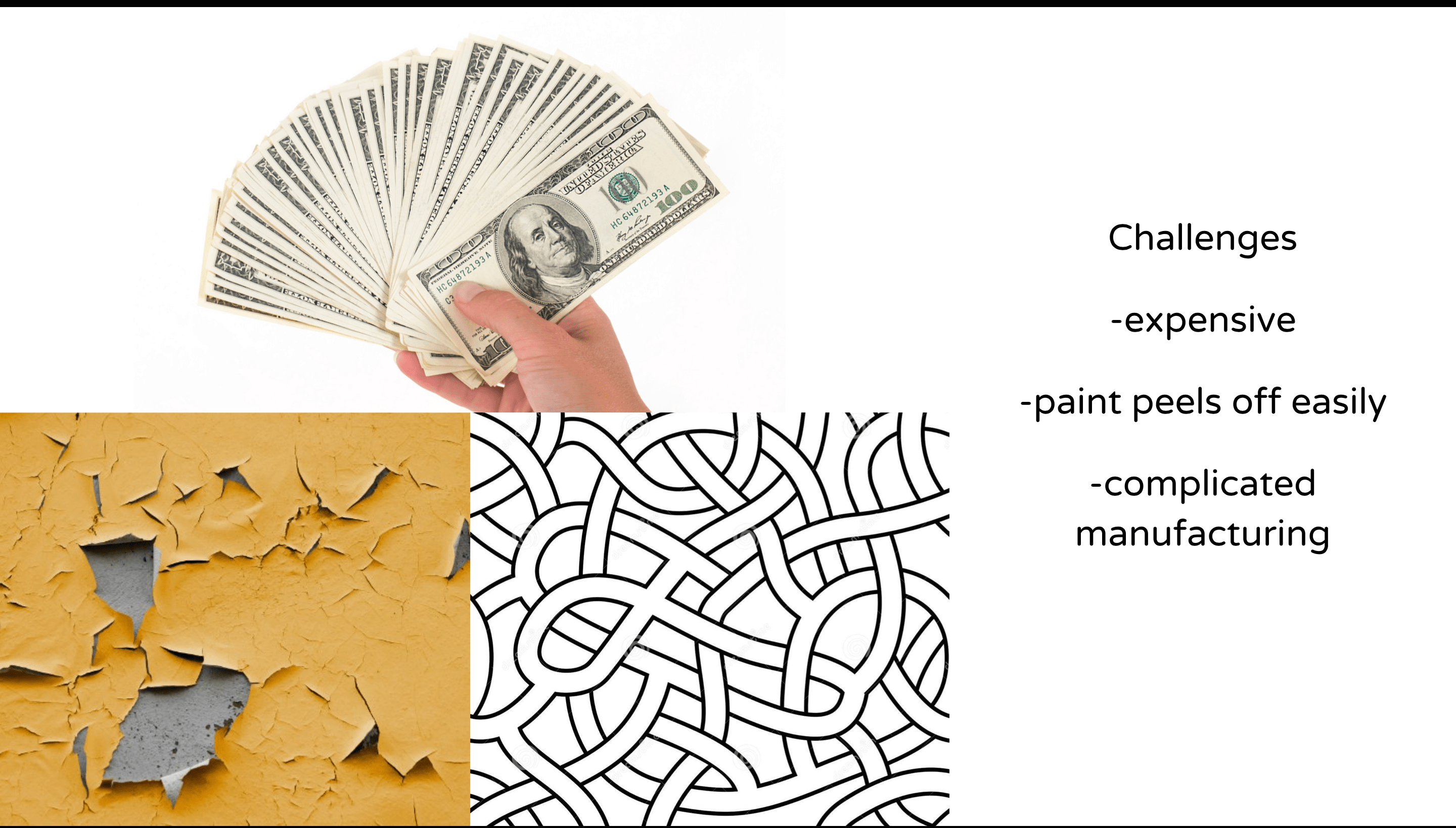
There are some hydrophobic paints available in the market but they have few challenges. First of all they are expensive. Second they are not long lasting. They are paints and will peel off easily after sometime. There is also a very complicated manufacturing process.
 milan101
Leave a comment